Quotes and RFQs · · 7 min read
How to compare manufacturing quotes from Mexican factories
The quotes are in, and none of them match. How to check each one is complete, put them on the same lines, compare total cost instead of unit price, and spot a low price that isn't.
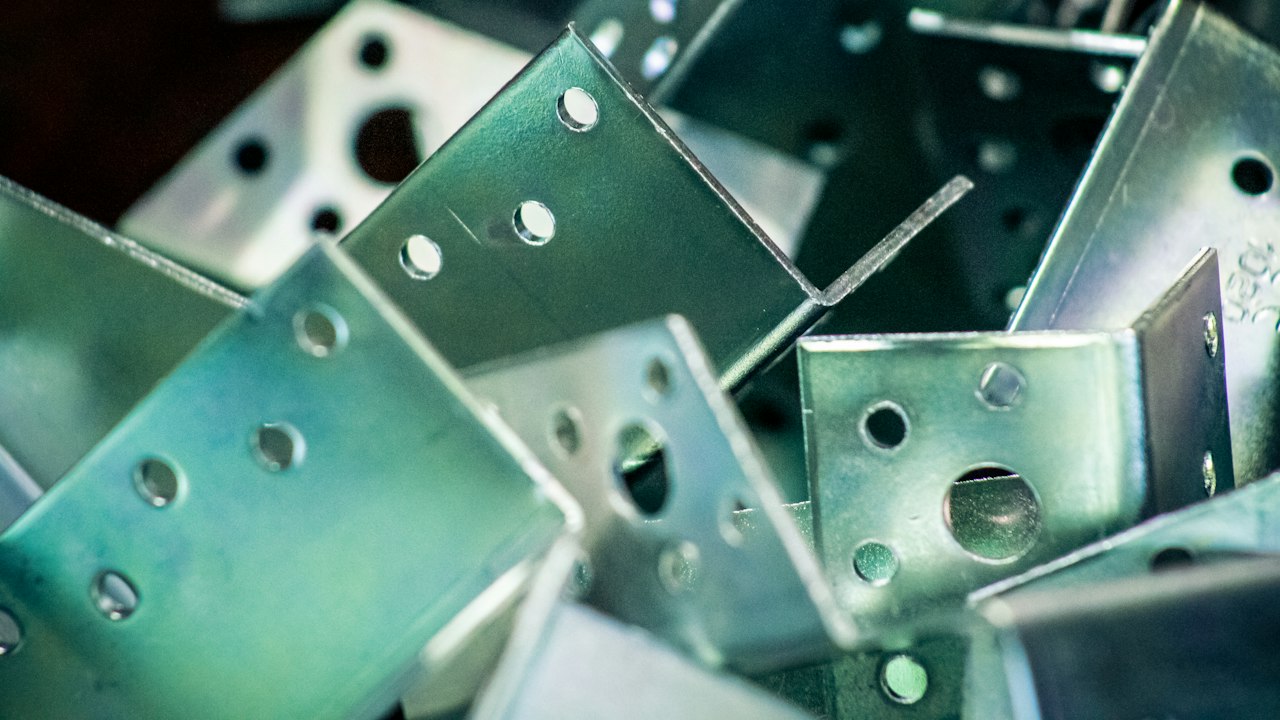
Photo: Sergio Rota / Unsplash
The quotes are in. One is in pesos, one is in dollars, one leaves out tooling, and the cheapest is half the price of the others. This guide is about what to do next: how to check that each quote is complete, put them on the same lines, compare what the part will really cost, and tell a good price from a missing line item.
It picks up where the request leaves off. If you haven't sent one yet, start with how to send an RFQ to a Mexican manufacturer, which includes a free bilingual template. Quotes are only comparable when every supplier was asked the same thing.
Check each quote is complete
Before comparing anything, check every quote against the same list. Where a line is missing, ask for it; don't fill it in yourself.
| Line | Why it matters |
|---|---|
| Unit price at each quantity | Price usually drops with volume; you need the curve, not one number |
| Currency | Some plants quote in pesos, others in dollars. Always confirm which |
| Tooling or setup cost | Molds, dies, and fixtures can outweigh unit price on smaller runs |
| Tooling ownership | Whether you own the tool and can move it to another supplier |
| Minimum order quantity | The smallest run they'll accept at the quoted price |
| Sample lead time | How long until you can hold a part |
| Production lead time | How long after a purchase order until parts ship |
| Payment terms | Deposit, milestones, net days |
| Delivery terms | Incoterms such as EXW, FCA, or DAP, and the named place |
| Validity | How long the price holds, especially for metals and resins |
| Exclusions | Anything not included: finishing, packaging, inspection, freight |
A quote that covers every line, in the order you asked, is also a signal: that supplier read your request.
Compare total cost, not unit price
Put the completed quotes side by side, one column per supplier, one row per line above, in a single currency. Then look at the total cost over the life of the part, not the unit price alone.
Here's a simple example with made-up numbers. Two suppliers quote the same molded part:
| Supplier A | Supplier B | |
|---|---|---|
| Unit price | $2.10 | $2.40 |
| Tooling | $18,000 | $6,000 |
| Year one at 10,000 units | $39,000 | $30,000 |
| Year one at 50,000 units | $123,000 | $126,000 |
Supplier A looks cheaper per part. At 10,000 units a year, it's $9,000 more expensive in year one. At 50,000 units, it's slightly cheaper. The right answer depends on your volume, which is why suppliers need your real annual estimate.
Then add what happens after the part leaves the factory: freight, customs brokerage, any duties, and inspection. A supplier closer to the border, or one that quotes delivered to your warehouse, can win on total cost even with a higher unit price.
Watch for low prices that aren't
A quote that's far below the others is worth a second look. Common reasons:
- Something is missing. Finishing, packaging, inspection, or material certificates aren't included.
- The currency is different. A price in pesos read as dollars looks impossibly cheap.
- The material is different. A cheaper grade or a substitute the supplier assumed was fine.
- The tooling is cheap. A single-cavity or soft tool that costs less up front but wears out early or runs slowly.
- The lead time is optimistic. A date the supplier hasn't checked against its real schedule.
- The validity is short. A price that holds for a week, before a material cost increase.
- Tooling ownership is unclear. A low tooling price sometimes means the supplier keeps the tool.
None of these mean the supplier is dishonest. They usually mean the request was ambiguous, and each supplier filled the gap differently.
Ask follow-up questions
Once quotes are in, a few questions sort the strong suppliers from the rest:
- What did you assume about anything my drawing didn't specify?
- Which dimensions or features drive the cost? Could a small design change reduce it?
- Is the tooling price for a production tool? How many cycles is it rated for?
- Who owns the tooling, and can I take it if I move production?
- What happens to the price if my volume is 50% higher or lower?
How a supplier answers tells you a lot about what working with them will be like.
When you have fewer than three quotes
Two quotes can't tell you whether a price is normal; three usually can. Expect that some of the suppliers you contacted won't answer and some will quote a different process than you asked for, which is why it takes eight to twelve requests to end up with three serious quotes. If you're short, widen the list instead of choosing from what arrived.
Anything that needs tooling, an engineering review, or material sourcing takes longer to quote, and good suppliers often come back with questions first. A late quote with sensible questions is usually worth waiting for.
Short on quotes? Find more suppliers for your part
Free, no account. You'll see named manufacturers and why each one matched.
More from the blog