Quotes and RFQs · · 8 min read
How to send an RFQ to a Mexican manufacturer (free template)
A free English and Spanish request-for-quotation template, plus what to put in each section so suppliers can quote quickly and accurately.
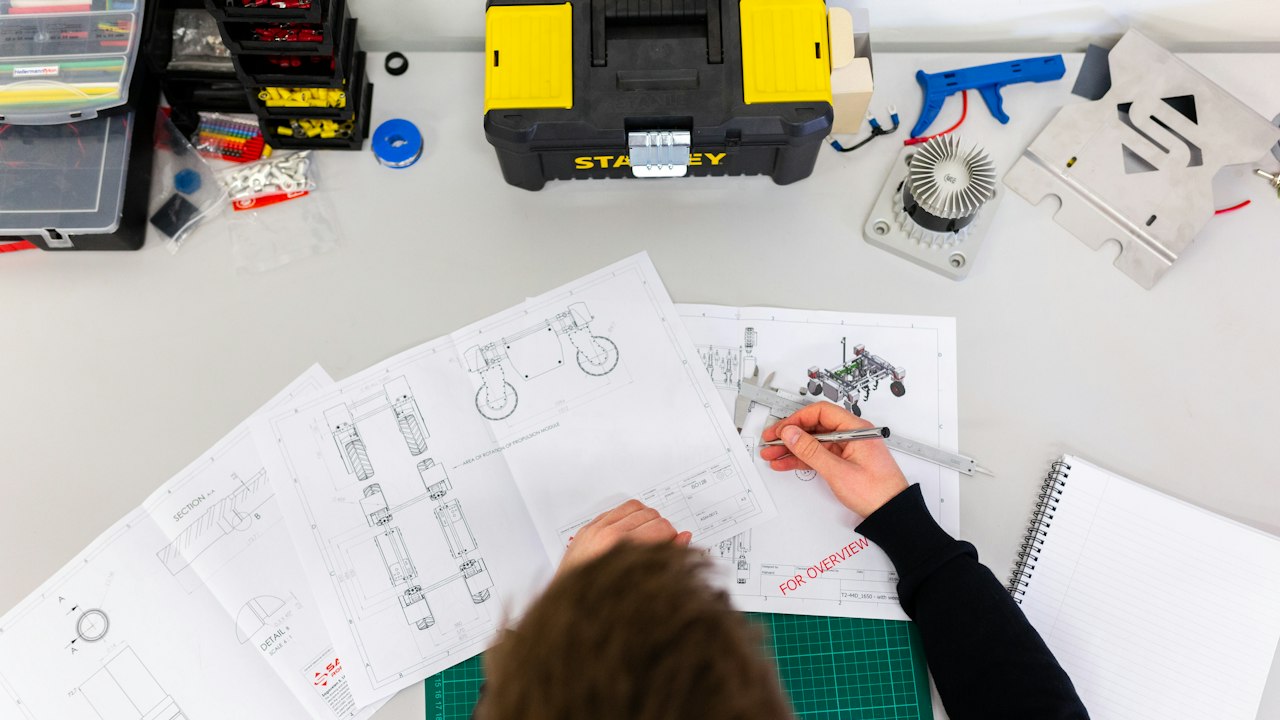
Photo: ThisisEngineering / Unsplash
A request for quotation (RFQ) is the document that turns "can you make this?" into a number you can compare. A clear RFQ gets faster replies, fewer back-and-forth questions, and quotes that line up with each other. A vague one gets silence or guesses.
Below is a free bilingual template you can download without giving us your email, and a section-by-section guide to filling it in.
Free download · no email required
Bilingual RFQ template (English / Spanish)
Eight sections: buyer details, part, material and finish, specifications, quantities, tooling, packaging and delivery, and exactly what you want quoted.
Why bilingual
Many Mexican manufacturers read English well, especially those that already export. But RFQs are often reviewed by estimators, engineers, and plant managers who work in Spanish. A template with both languages side by side removes ambiguity and shows the supplier you've thought about their side of the process.
A few terms worth knowing:
| English | Spanish |
|---|---|
| Request for quotation | Solicitud de cotización |
| Drawing | Plano |
| Tolerance | Tolerancia |
| Surface finish | Acabado superficial |
| Tooling | Herramental |
| Mold | Molde |
| Minimum order quantity | Cantidad mínima de pedido |
| Lead time | Tiempo de entrega |
| Payment terms | Condiciones de pago |
| Quote validity | Vigencia de la cotización |
Section by section
1. Buyer
Your company, a named contact, email, and a phone or WhatsApp number. Add the date you need quotes back. A deadline helps suppliers prioritize, and it gives you a clear point to follow up.
2. Part or product
The part name and number, a short plain description, and the drawing number with its revision. Attach the drawing as a PDF and, if you have one, a 3D model as a STEP file. Photos or a physical sample help when there's no drawing yet.
If you know the process, say so. If you don't, describe the part and ask the supplier to recommend one.
3. Material and finish
Name the material and grade (6061-T6 aluminum, 304 stainless, PA66 30% glass-filled). List acceptable alternatives if you have any; a supplier may have a cheaper equivalent on hand. Specify the finish, coating, and color.
4. Specifications
General tolerances and the critical dimensions that really matter. Over-tight tolerances on every feature are one of the most common reasons quotes come back high. Say which inspection reports you need (first article inspection, dimensional report, material certificates) and which certifications the supplier must hold.
5. Quantities
Give three numbers: samples or prototypes, the first production order, and estimated annual volume. Ask for prices at a few quantity breaks. Suppliers price very differently at 500 pieces than at 50,000, and the annual estimate decides which tooling they'll propose.
6. Tooling
Say whether you expect new tooling, whether you have existing tooling to transfer, and that you expect to own any tooling you pay for. Ask for the expected tool life. Clarifying ownership at the RFQ stage avoids an expensive argument later.
7. Packaging and delivery
Packaging and labeling requirements, the delivery location, and the Incoterms you want quoted, such as EXW (ex works, you collect at the factory), FCA (free carrier, delivered to your carrier), or DAP (delivered to your door, duties excluded). Include your sample and production dates.
8. What to quote
List the exact lines you want back: unit price at each quantity, currency, tooling or setup cost, minimum order, sample and production lead times, payment terms, quote validity, and any exclusions. This one section does more than any other to make quotes comparable.
Protecting your drawings
If the design is sensitive, ask suppliers to sign a confidentiality agreement (acuerdo de confidencialidad) before you send the full drawing package. Many manufacturers are used to this. For a first contact, you can share a description, an overall drawing, or a photo, and send detailed files once there's mutual interest.
Sending it
Email the RFQ with attachments to a named person when you can, rather than a general inbox. If the company lists WhatsApp, a short message saying the RFQ is in their inbox often speeds things up. Keep a simple spreadsheet of who you sent it to, when, and when you followed up.
Follow up once after three or four business days, and again a few days later. If you're contacting 8 to 12 suppliers, expect that some won't answer at all; that's normal.
When the quotes come back, they won't match each other. How to compare manufacturing quotes covers what to do with them.
Find manufacturers to send your RFQ to
Free, no account. You'll see named manufacturers and why each one matched.
More from the blog