Logistics and customs · · 9 min read
How to find a customs broker in Mexico
What a Mexican customs broker does, why most shipments need one on each side of the border, how to check a broker's license, and what to ask before you hire one. Updated for the 2026 customs law reform.
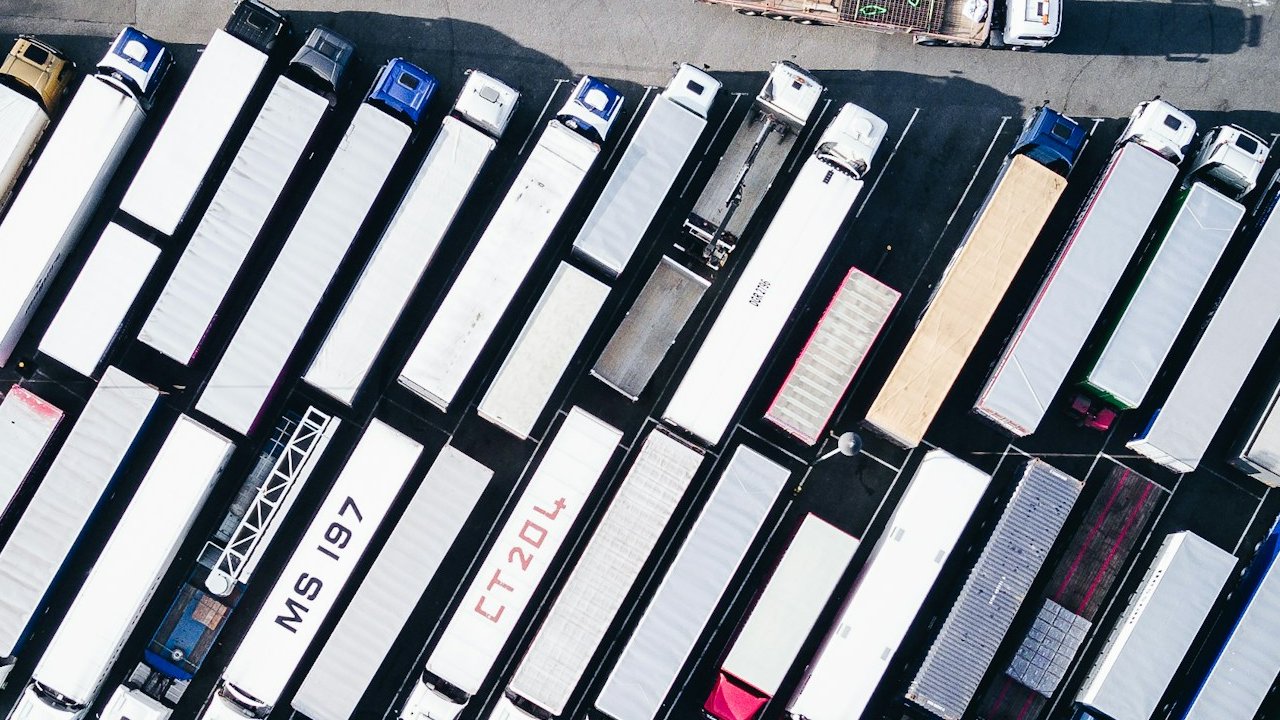
Photo: Nigel Tadyanehondo / Unsplash
Goods don't cross the U.S.–Mexico border on a manufacturer's word. Every commercial shipment is declared to customs on both sides, and in Mexico that declaration is almost always filed by a licensed customs broker. If you buy from a Mexican factory, a broker's work is part of every shipment, whether you hire one or your supplier does.
This guide covers who does what, how to find and check a Mexican broker, and what changed in 2026. It's an overview, not legal or customs advice: rules change, and a licensed broker should confirm the details for your product.
Two brokers, one shipment
A typical northbound shipment, from a Mexican factory to a U.S. buyer, involves two brokers:
- A Mexican customs broker (agente aduanal, or a licensed customs agency, agencia aduanal) files the Mexican export declaration, the pedimento. The exporter, usually your supplier, normally hires this broker.
- A U.S. customs broker, licensed by U.S. Customs and Border Protection (CBP), files the U.S. import entry and calculates duties. The importer of record, usually you, hires this broker.
The two have to work together: the Mexican export and the U.S. entry describe the same goods, and a mismatch can hold the truck at the bridge. If your supplier sells to you ex works (EXW), you take on the Mexican side too, and you'll need to arrange a Mexican broker yourself. That's one reason FCA, where the supplier clears the goods for export, is often the more practical choice. How to import manufactured goods from Mexico covers delivery terms in more detail.
If you're shipping into Mexico, the roles flip: a Mexican broker files the import pedimento, and the Mexican importer must generally be registered in Mexico's importers registry (padrón de importadores) and authorize the broker electronically (an encargo conferido) before the broker can act for them.
What a Mexican customs broker does
- Classifies the goods under Mexico's tariff schedule and determines which taxes and non-tariff requirements, such as permits or Mexican standards (NOMs), apply.
- Prepares and files the pedimento, Mexico's electronic customs declaration, with the goods, their classification, value, taxes, and the parties.
- Pays the taxes and duties on the importer's or exporter's behalf and presents the goods at customs.
- Coordinates the crossing with the carrier, including the documents the driver presents at the Mexican customs checkpoint.
Brokers are authorized to clear goods at specific customs offices (aduanas). That's why they cluster at the crossings and ports: Nuevo Laredo alone has more than 370 customs brokerage offices. See Where are Mexico's customs brokers? for the full map.
Is a broker required?
In practice, yes. Under Mexico's Customs Law (Ley Aduanera), commercial imports and exports are cleared through a licensed customs agent or customs agency unless the importer or exporter holds its own authorization to clear goods directly, which is uncommon outside large operations.
On the U.S. side, you can legally file your own entries as the importer of record, but most companies use a licensed broker. Under CBP's broker regulations, the broker must hold a power of attorney signed directly with you, not through a freight forwarder or other third party. And paying your broker doesn't end your responsibility: as importer of record, you remain liable for the duties and the accuracy of the entry.
What changed in 2026
A reform of Mexico's Customs Law took effect on January 1, 2026. The parts that matter when you choose a broker:
- Licenses now expire. A customs agent's license (patente) and a customs agency's authorization are valid for 20 years, renewable. Before the reform, they had no expiration date.
- Agents must recertify every three years to keep their license active.
- Brokers carry more liability. Several exclusions that used to protect agents from liability for an importer's or exporter's data were removed. Agents are jointly liable for unpaid taxes in operations handled by the agencies they're partners in, and they must report irregularities by their clients to the customs authority.
- More documentation. The electronic customs file has to support the declared value with invoices, payment records, transport and insurance costs, and related contracts, and the value declaration is filed electronically.
For buyers, the practical effect is that good brokers will ask for more documentation up front and check it more carefully. That's a feature, not an obstacle.
How to check a broker
- Ask for the license number. Every Mexican customs agent has a four-digit patente number, and it's part of every pedimento number the agent files. (A pedimento number has 15 digits: two for the year, two for the customs office, four for the patente, and seven that number the declaration.) Ask for a recent pedimento with sensitive details redacted, and check that the patente matches.
- Confirm the license is active. Mexico's customs agency (ANAM) publishes notices of suspended, cancelled, and extinguished licenses. Check the agent isn't on them.
- Ask which customs offices they clear at. A broker in Manzanillo won't clear your trucks at Nuevo Laredo.
- Ask about your product. Experience with your tariff classification, NOMs, permits, and, if relevant, the IMMEX program for temporary imports matters more than size.
- Ask how they work with your U.S. broker, or whether they have a partner on the U.S. side.
Questions to ask before you hire
- Which customs offices do you operate at, and how many shipments a month do you clear there?
- What products and tariff chapters do you handle most?
- What are your fees, and what's included: classification, the pedimento, payments, document review?
- What documents do you need from my supplier and me, and how far ahead?
- How do you coordinate with U.S. brokers and carriers, and who calls me if a truck is held?
- Are you, or the carriers you work with, certified under CTPAT or Mexico's Authorized Economic Operator (OEA) program?
Find customs brokers by port of entry
Our directory lists every customs brokerage office in INEGI's national business directory, grouped by where they work: border crossings, seaports, and airports and inland customs. Search by city, for example customs brokers in Nuevo Laredo or Manzanillo.
Agalma doesn't clear goods or act as a broker. You hire and pay the broker directly; we help you find them.
Sources
- Mexico's Customs Law reform, published in the Diario Oficial de la Federación in November 2025 and in force since January 1, 2026 (summaries: INCOMEX, EY Mexico)
- Pedimento number structure: SAT, Annex 22 of the General Foreign Trade Rules for 2026
- U.S. customs brokers and powers of attorney: 19 CFR Part 111
More from the blog