Moving production · · 10 min read
How to move manufacturing from China to Mexico
Which products to move first, how to handle tooling and sub-suppliers, how to qualify new suppliers without disrupting supply, and how long a transition really takes.
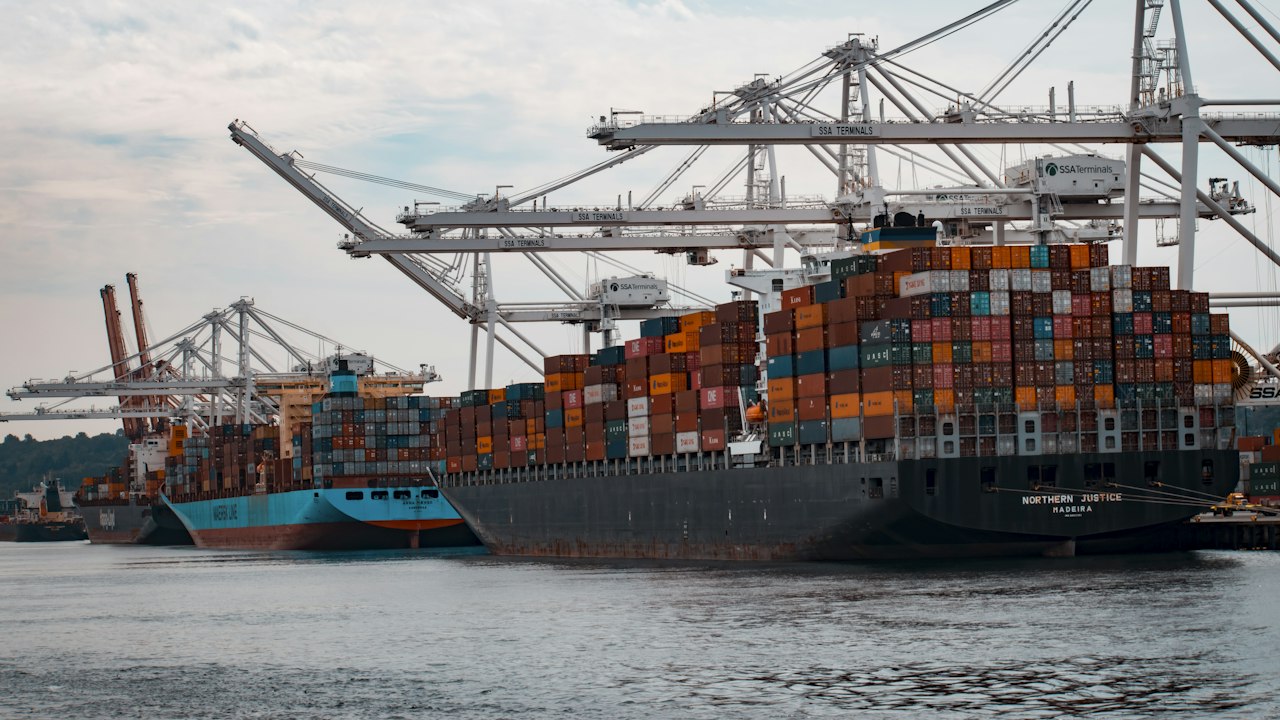
Photo: Andy Li / Unsplash
Moving a product from a Chinese supplier to a Mexican one is a project, not a purchase order. Done carefully, it can cut lead times, reduce freight and tariff exposure, and make your supply chain easier to manage. Done in a rush, it can leave you without parts.
This is the sequence that works for most buyers.
1. Choose what to move first
Not every product benefits equally. Start with the ones where Mexico's advantages are largest:
- Heavy, bulky, or freight-sensitive products
- Products facing high duties when imported from China
- Products with volatile demand or frequent engineering changes
- Products using processes Mexico does well: machining, stamping, molding, casting, fabrication, wire harnesses, sewing
- Products where a supplier problem is costly, because faster logistics and easier visits matter most there
Leave labor-intensive products with deep Asian component supply chains for later, or leave them where they are.
2. Map the full bill of materials
Your Chinese supplier may buy components, materials, and sub-processes from other suppliers you've never seen. Before moving, list everything that goes into the product:
- Which components come from where
- Which materials are standard and which are special
- Which sub-processes (plating, heat treating, painting) the supplier outsources
This tells you what a Mexican supplier will need to source, and it's the starting point for checking whether the finished product could qualify for preferential treatment under the USMCA. Components that still come from Asia may affect both cost and origin.
3. Find and qualify Mexican suppliers
Look for suppliers that already make similar parts, in the same material, at a volume close to yours. Contact 8 to 12, aim for three serious quotes, and qualify the finalists before you commit: identity, capabilities, certifications, quality system, and references.
Find Mexican suppliers for the product you're moving
Free, no account. You'll see named manufacturers and why each one matched.
4. Decide what to do with the tooling
Molds, dies, and fixtures are often the most complicated part of a move.
- Confirm you own it. Check your purchase orders and agreements. If ownership isn't documented, settle it with your current supplier before announcing the move.
- Transfer or rebuild. Moving existing tooling can save money and time, but only if it's in good condition and compatible with the new supplier's equipment (press size, mounting, auxiliary systems). Ask the new supplier to evaluate drawings and photos of the tooling first. Rebuilding gives you a fresh tool and lets you keep the old one running in China during the transition.
- Plan the import. Bringing tooling into Mexico involves customs. Plants operating under Mexico's IMMEX program can generally import production equipment temporarily for export manufacturing. Ask your supplier and a customs broker how it applies to your case.
- Budget for refurbishment. Transferred tools often need maintenance and adjustment before they run well.
5. Keep China running during the transition
Don't stop your current supply until the new one is proven. Build safety stock before tooling leaves, or rebuild tooling so both suppliers can run in parallel for a while. A transition plan with overlapping supply is slower but far safer.
6. Validate before you switch
Before the Mexican supplier becomes your primary source:
- Samples and first article inspection. Measure every dimension against your drawing.
- Functional and fit testing in your product or your customer's.
- A pilot run at production speed, to confirm the process holds over volume, not just on hand-picked samples.
- Industry approvals where they apply, such as PPAP for automotive parts.
7. Ramp up, then decide on dual sourcing
Increase volume in steps while monitoring quality and delivery. Many buyers keep a second source, in China or elsewhere, for critical parts, at least until the new supplier has a track record.
How long it takes
For a simple part with tooling that transfers cleanly, a few months is realistic. Products with new tooling, multiple components, or formal approvals like PPAP often take longer. The longest steps are usually tooling, sampling, and approval cycles, not finding a supplier.
If you want your own plant
Some companies would rather run their own Mexican operation than buy from a contract manufacturer. Shelter service providers let foreign companies operate in Mexico under the provider's legal and administrative umbrella while they focus on production. It's a different model with different economics, best considered once volumes are large and stable.
More from the blog