Logistics and customs · · 8 min read
Warehouses and fulfillment centers in Mexico: what each one does
General warehouses, fulfillment centers, cold storage, general deposit warehouses, and bonded storage: what each one does, when you need it, where they are, and what to ask before you sign.
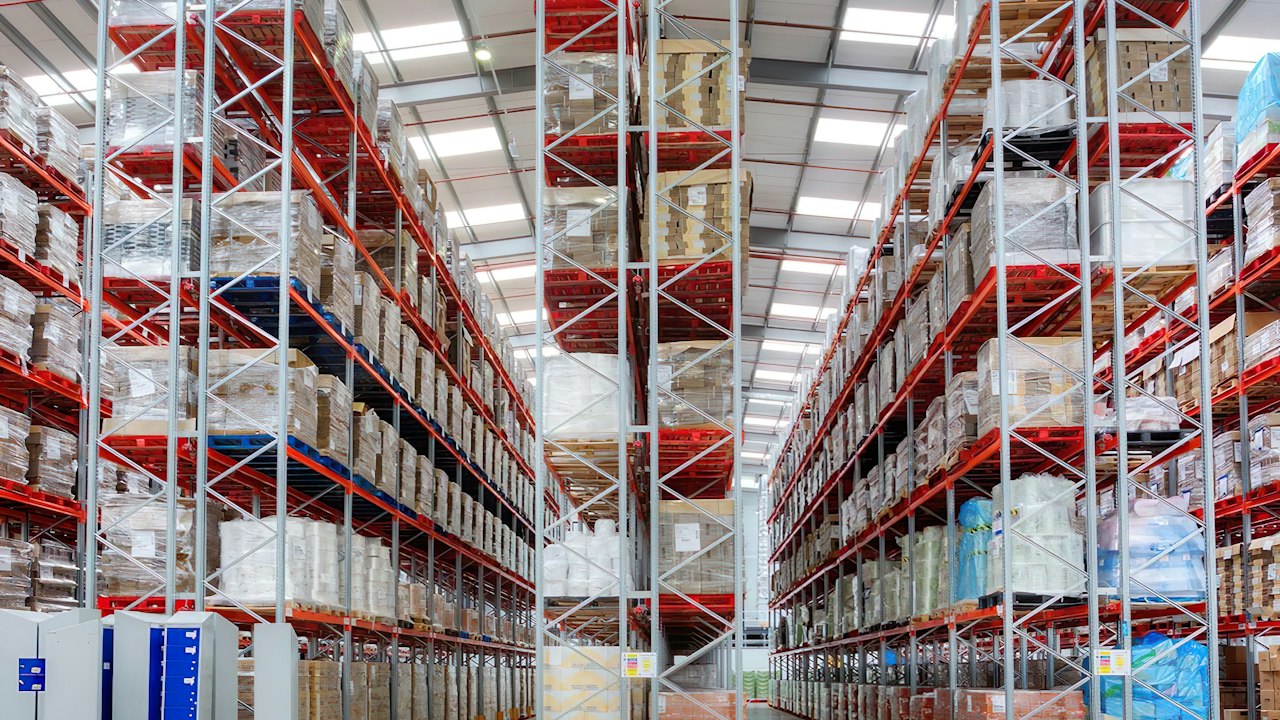
Photo: Rack Manufacturing Expert / Unsplash
Many buyers never need a warehouse in Mexico: the factory ships, the truck crosses, the goods arrive. But as soon as you consolidate parts from several suppliers, sell into the Mexican market, hold stock close to the border, or ship orders to customers one by one, you need somewhere for the goods to land. In Mexico that can mean very different things.
This guide explains the main kinds, what they're for, and what to ask. It's an overview, not legal or customs advice.
The kinds of warehouse
| Kind | What it does | When you need it |
|---|---|---|
| General warehouse (3PL) | Stores your goods, usually by the pallet, and ships them out in bulk on your instructions | Holding inventory, consolidating supplier shipments, staging freight before it crosses |
| Fulfillment center | A warehouse that also picks, packs, and ships individual orders, for e-commerce or B2B customers, and handles returns | Selling to many customers in Mexico, or shipping orders as they come in rather than by the pallet |
| Cross-dock | Moves goods from inbound trucks to outbound trucks with little or no storage | Combining loads from several suppliers into one shipment to the border |
| Cold storage | Refrigerated or frozen storage | Food, pharmaceuticals, and other temperature-sensitive goods |
| General deposit warehouse (AGD) | A regulated warehouse that can issue deposit certificates for stored goods and, with customs authorization, hold imported goods in bond | Financing inventory against stored goods, or storing imports before paying import taxes |
The lines blur. Many logistics companies offer storage, cross-docking, fulfillment, and transport together, and a single facility can do several of these.
Fulfillment centers
A fulfillment center is where your products land and then go out order by order: it receives inventory, stores it, picks and packs each order, hands it to a parcel or freight carrier, and processes returns. Fulfillment is usually priced per order, per unit picked, and per unit of storage, rather than only by the pallet.
Mexico's official business directory doesn't classify fulfillment centers separately. They're filed as general warehousing, as freight intermediaries, or under other activities. So in our warehouse directory, a company is listed under fulfillment centers once its own website documents pick-and-pack or order fulfillment, whatever its official classification. We're researching warehouses now, so that list is still growing.
Bonded storage: deferring import taxes
If you're importing goods into Mexico and don't need them all at once, Mexico's Customs Law offers a depósito fiscal (fiscal deposit) regime. Foreign goods are stored in a general deposit warehouse (AGD) that customs has authorized for it. The import taxes are determined when the goods enter, but they're paid only as goods are withdrawn for import, and goods can also be re-exported instead. Goods can stay under the regime for up to 24 months.
This is different from other customs regimes you'll hear about:
- Recintos fiscalizados and strategic bonded zones (recintos fiscalizados estratégicos) are separate regimes with their own authorizations and allowed activities, including handling and processing goods under customs control.
- IMMEX is a program for manufacturers that temporarily import materials to make or repair goods for export. It isn't a storage service, though IMMEX companies often use warehouses.
Don't take "bonded" on trust: ask the warehouse which customs authorization it holds and for what.
General deposit warehouses are regulated by Mexico's banking and securities commission (CNBV). Only they can issue deposit certificates (certificados de depósito) and pledge bonds (bonos de prenda), documents that let you sell or borrow against goods in storage.
Where they are
Warehousing follows Mexico's consumer markets and manufacturing hubs. Jalisco, Nuevo León, the State of Mexico, and Mexico City have the most warehousing establishments, followed by Tamaulipas, Guanajuato, and Chihuahua. On the border, Tijuana and Ciudad Juárez have the most warehouses, alongside the yards that stage cross-border freight. Mexico's freight and warehousing base, state by state has the data.
Choose by what the warehouse is for:
- Selling in Mexico: near your customers, typically the Mexico City area, Guadalajara, or Monterrey.
- Shipping to the U.S.: near your suppliers or the crossing you use.
- Consolidating suppliers: on the route between your factories and the border, for example in the Bajío or Monterrey for freight to Laredo.
Questions to ask before you sign
- Services: storage only, or also cross-docking, pick and pack, kitting, labeling, and returns?
- Systems: do they run a warehouse management system (WMS), and can you see inventory and orders in real time?
- Service levels: how fast do they receive inbound loads and ship orders, and how do they measure accuracy?
- Pricing: what do they charge for storage, handling in and out, picking, and minimums?
- Insurance and security: what's covered, at what value, and how is the facility secured?
- Authorizations: if they offer bonded storage, which authorization do they hold?
- Transport: do they have carrier partners for parcel, freight, and the crossing?
Find warehouses and fulfillment centers
Our directory lists Mexico's warehouses by type and city, from general warehousing to cold storage and general deposit warehouses. Start with a city, for example warehouses in Monterrey or warehouses in Guadalajara.
- General warehousing648
- Fulfillment130
- Cold storage105
- Bonded warehouses98
- Farm product storage96
- Specialized storage63
- General deposit warehouses25
Agalma doesn't store goods or run warehouses. You contract with and pay the warehouse directly; we help you find them.
Sources
- Fiscal deposit regime: Mexico's Ley Aduanera, Article 119
- General deposit warehouses, deposit certificates, and pledge bonds: Ley General de Organizaciones y Actividades Auxiliares del Crédito, supervised by the CNBV
- Warehousing establishments by state: INEGI DENUE, May 2026 release, via our report
More from the blog