Plastics · · 8 min read
Thermoforming in Mexico: when it beats injection molding, and who does it
What thermoforming is, when to choose it over injection molding, how tooling and minimums differ, which materials Mexican thermoformers document, and how to find and qualify one.
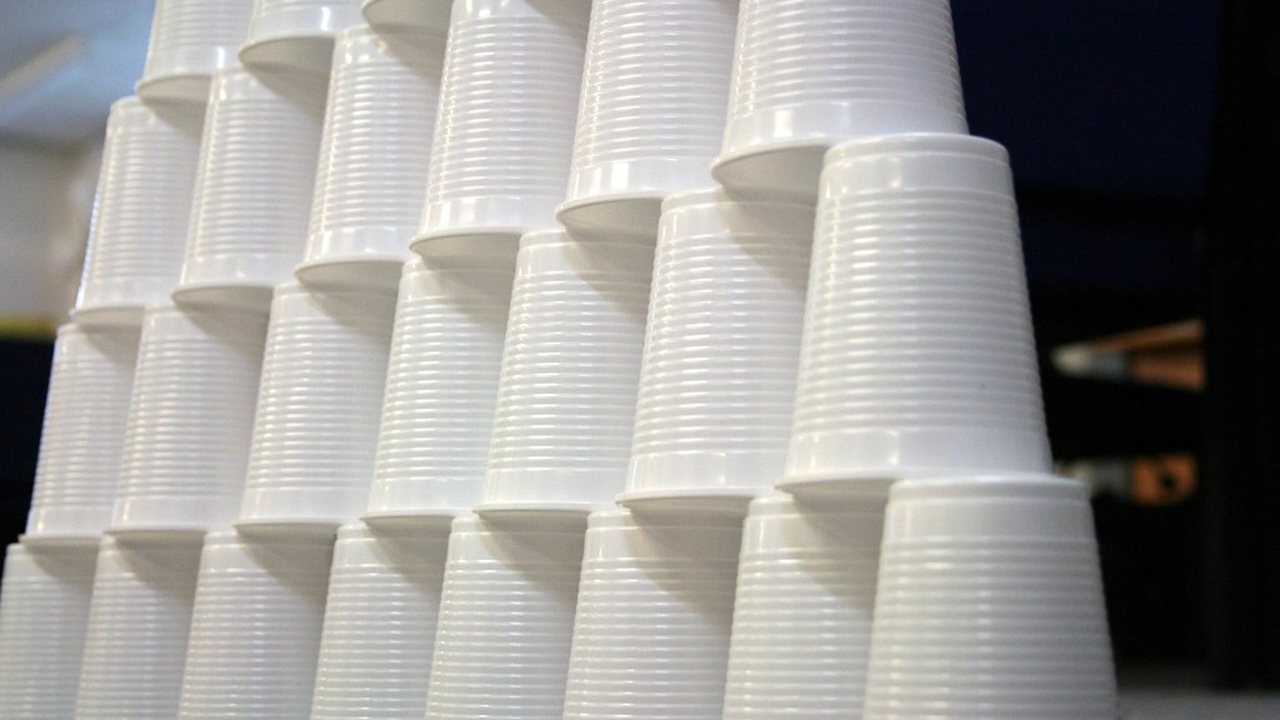
Photo: comedy_nose / Flickr
Thermoforming (termoformado in Spanish) is plastic made from a heated sheet. The sheet is softened, pulled or pressed over a mold, cooled, and trimmed. Vacuum forming is the best-known version. It makes food trays and clamshell packaging, but also vehicle panels, equipment covers, display parts, and enclosures.
For many buyers it is the cheaper way into custom plastic parts, because the tooling costs less than an injection mold. This guide explains when thermoforming is the right process, what to ask a thermoformer, and who in Mexico documents doing it. It is a buyer's overview, not engineering advice.
How thermoforming works
- A plastic sheet is heated until it is soft.
- It is formed over or into a mold with vacuum, pressure, or both.
- It cools and holds the shape.
- The part is trimmed from the sheet, usually by a die, a router, or a CNC trimmer.
There are two broad families:
- Thin-gauge thermoforming runs from rolls of thin sheet at high speed. It is the packaging side: cups, trays, lids, and clamshells.
- Heavy-gauge thermoforming uses thicker sheet, cut to size. It makes larger parts for equipment, vehicles, and appliances, in lower volumes.
When thermoforming beats injection molding
| Thermoforming tends to win when | Injection molding tends to win when |
|---|---|
| The part is large and relatively shallow | The part is small and detailed |
| Volumes are low to medium | Volumes are high and steady |
| You want lower tooling cost and a faster start | You can pay for the mold and want the lowest part cost at volume |
| One side needs a good surface (the other can be rough) | Both sides need controlled surfaces |
| Wall thickness can vary somewhat | You need uniform walls and tight tolerances |
Rules of thumb, not laws: thermoforming molds are typically single-sided and can be made from lighter, cheaper materials, so the first part arrives sooner. In exchange, you accept looser tolerances, thinner stretched corners, a trim step, and less fine detail. If your part has bosses, ribs, snap fits, and tight features, you are probably looking at injection molding.
Typical parts
- Packaging: food trays, blister packs, clamshells, and protective inserts.
- Automotive and transport: interior panels, covers, bed liners, and trim.
- Equipment housings: machine guards, covers, and enclosures.
- Medical and lab: trays and covers.
- Retail and display: signs, point-of-sale displays, and shells.
- Agriculture: trays and containers.
Materials
Researched Mexican thermoformers document these materials most often:
| Material | Companies |
|---|---|
| PET | 24 |
| Polypropylene | 20 |
| Polyethylene | 16 |
| Paper and cardboard | 11 |
| ABS | 10 |
| Acrylic | 10 |
| Polystyrene and EPS | 8 |
| Polyurethane | 7 |
Packaging favors PET and polypropylene. Heavy-gauge equipment parts often use ABS, acrylic, or other engineering sheet. Browse PET, polypropylene, polyethylene, and acrylic thermoformers. For food-contact parts, ask which resins and certifications apply.
Who does it in Mexico
Our directory lists 202 thermoforming companies in Mexico. About 87 have a researched profile, meaning we've read what the company's own site says, and 82 of those state that they take outside orders. The others are listed from their business-registry activity code alone.
Among the researched thermoformers:
- Business model: 49 describe themselves as job shops and 26 as contract manufacturers.
- Industries served: automotive (35), packaging (26), food and beverage (21), electronics (14), medical (13), agriculture (11), and pharma and cosmetics (9).
- Other processes under the same roof: injection molding (19), extrusion (16), CNC machining (8), and corrugated packaging (8).
- Certifications stated: ISO 9001 (17) and IATF 16949 (6), with a few for food safety (FSSC 22000, BRCGS) and one for ISO 13485. These are claims from company websites, not verified certificates.
By location, listings are spread across Jalisco (34), the State of Mexico (33), Mexico City (25), Nuevo León (23), and Baja California (17). Among researched thermoformers, Nuevo León leads (14), followed by the State of Mexico (13) and Jalisco (12). See the full thermoforming directory.
Live from our index · Thermoforming, Mexico
All 202 →- Diseko Soluciones
San Francisco de los Romo, Aguascalientes · 251+ employees
✓ Thermoforming✓ ISO 9001
- SAN PER
San Francisco del Rincón, Guanajuato · 251+ employees
✓ Thermoforming
- Termoformados Starpack
Tultitlán, México · 251+ employees
✓ Thermoforming✓ FSSC 22000✓ ISO 9001
- Polimeros del Uretano
Atizapán de Zaragoza, México · 251+ employees
✓ Thermoforming✓ IATF 16949
Tooling and who owns it
Thermoforming tools cost less than injection molds, but the same ownership questions apply:
- Put ownership in writing. The tool is yours, tagged and listed in the supplier's tooling register.
- Agree on retrieval. You should be able to move it without a dispute.
- Know the material: aluminum tools last longer than wood or composite ones, which suit prototypes and short runs. Ask what is being quoted and how many parts it should make.
- Trimming tools are separate. A trim die or CNC fixture may be extra.
Minimums and quoting
- Minimums are often lower than for injection molding, but vary. Ask for the minimum per order and whether they change after tooling.
- Sheet cost is a big share of part cost. Ask who buys the sheet and in what gauge.
- Quote the whole job: tooling, per-part price, trimming, secondary operations, packaging, and freight.
What to put in the RFQ
Send a 3D model or drawing with the material and gauge, the side that needs the good surface, color and finish, tolerances that matter, annual volume, any trim and drilling, and packaging. Ask for a sample before you approve production. How to send an RFQ has a template, and how to verify a manufacturer covers checking the shop.
When to choose something else
| If your part is | Consider |
|---|---|
| Small, detailed, and high volume | Injection molding |
| A hollow container such as a bottle or drum | Blow molding |
| A continuous shape such as sheet, pipe, or profile | Extrusion |
| A few precise parts in solid plastic | CNC machining |
Find thermoforming companies in Mexico
Free, no account. You'll see named manufacturers and why each one matched.
Get quotes from qualified thermoformers
We find and qualify Mexican thermoformers for your part, contact them in Spanish, and bring back quotes you can compare line by line.
More from the blog