Medical device sourcing · · 9 min read
How to make medical devices in Mexico: a guide for startups and product teams
Why Mexico is a major medical device manufacturing base, what the FDA expects of you and your manufacturer, ISO 13485 and quality agreements, where the clusters are, and how to qualify a contract manufacturer.
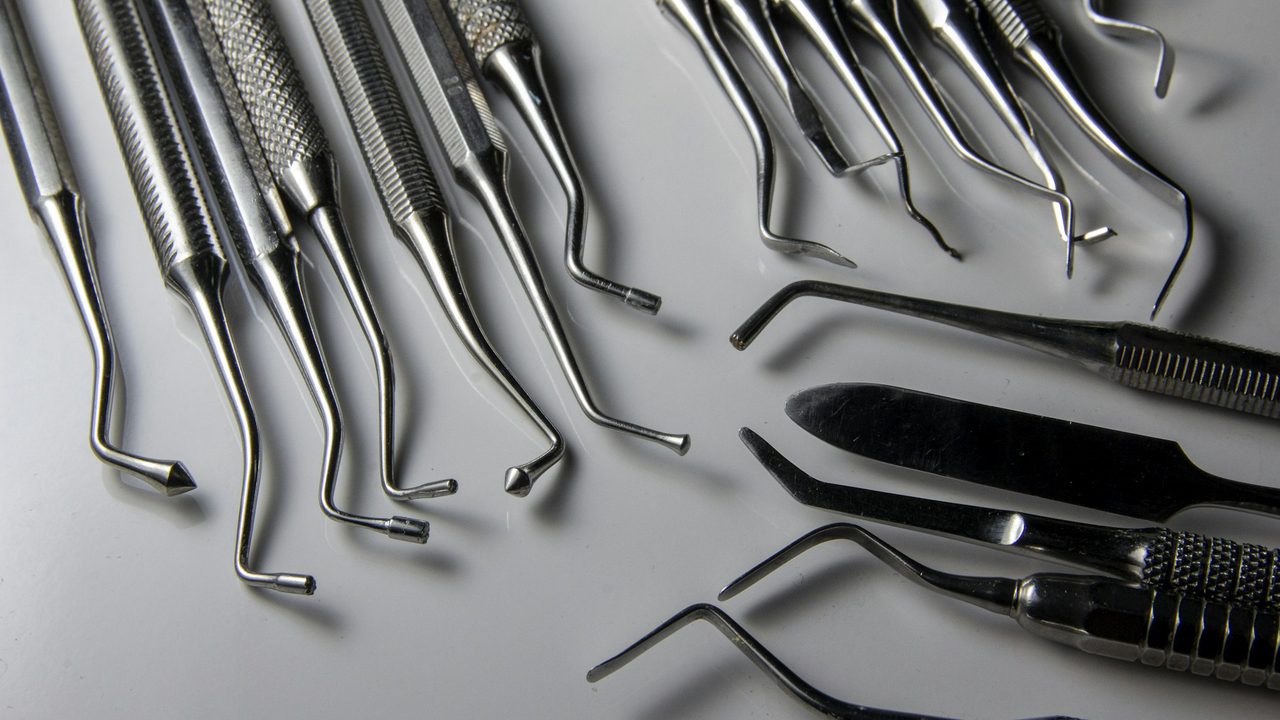
Photo: Ozkan Guner / Unsplash
Medical devices are the hardest kind of product to outsource carelessly and one of the best fits for Mexico. The country has a large medical device industry, concentrated in Baja California near the U.S. border, with plants that make everything from disposables and catheters to electronics-based equipment and orthopedic parts. Many serve large U.S. companies, and there is also a layer of smaller contract manufacturers that work with startups.
This guide is for device startups and product teams deciding whether, and how, to manufacture in Mexico. It is an overview of the process, not regulatory advice. Device regulation depends on your product's class and claims, so work with a regulatory specialist.
Who is responsible for what
The most important point to understand: outsourcing the making doesn't outsource the responsibility. If you're the company that markets the device in the U.S. (the "specification developer"), you remain responsible for its design, its quality system, and its regulatory status, even if a contract manufacturer builds it.
In broad terms for the U.S.:
- Your device's class (I, II, or III) determines what you must do before selling: registration and listing, a 510(k) clearance, a De Novo, or a premarket approval.
- The FDA's Quality Management System Regulation (QMSR) took effect on February 2, 2026. It amends the device quality rules in 21 CFR Part 820 and incorporates ISO 13485:2016 by reference, so the U.S. requirements and the international standard now line up. It applies to you and, for what they do, to your contract manufacturer. Ask a regulatory specialist how it applies to each party in your arrangement.
- ISO 13485 certification is not an FDA requirement. The FDA says it will not require or issue ISO 13485 certificates, and a certificate does not exempt a plant from an FDA inspection. A certificate is useful evidence about a supplier's quality system, not proof that it meets FDA rules.
- Facility registration: the FDA requires manufacturers of finished devices, including contract manufacturers and sterilizers, to register their establishments and list their devices. A plant outside the U.S. also needs a U.S. agent. Registration is not approval. The FDA states that a registration number does not denote approval, clearance, or authorization of the plant or its devices, and it does not issue registration certificates. Don't accept "FDA registered" as a quality claim.
- Labeling, complaint handling, and reporting of serious problems stay with you.
Why Mexico
- An established industry. Medical device plants, suppliers, engineers, and technicians are concentrated in Tijuana and Mexicali, and there are growing clusters elsewhere, such as Chihuahua, Ciudad Juárez, and Jalisco.
- Proximity. Engineers can drive to the plant, and finished goods ship by truck in days.
- Related capabilities. Plastics injection molding, precision machining, electronics assembly, and clean-room assembly are all available regionally.
- USMCA. Trade-agreement treatment helps, but confirm the current duty and origin rules for your product.
See the medical device directory and electronics clusters for where plants are.
Live from our index · Medical devices, Mexico
All 537 →- Iimak Mexicana
Reynosa, Tamaulipas · 251+ employees
- US Cotton
San Pedro Cholula, Puebla · 251+ employees
- Airlife
Mexicali, Baja California · 251+ employees
- Availmed
Tijuana, Baja California · 251+ employees
What to require of a contract manufacturer
| Requirement | Why |
|---|---|
| ISO 13485 certification | The quality management standard for medical devices, and the basis of the FDA's QMSR. Ask for the certificate, who issued it, its scope, and whether it covers the plant you'll use, then confirm it with the issuing certification body |
| FDA registration | Required of finished-device manufacturers and contract manufacturers. It is not approval or an inspection result. Look the plant up in the FDA's registration database and match the name and address |
| A quality agreement | A written contract assigning responsibility for design changes, nonconformances, complaints, audits, and change control |
| Clean-room capability | If your device needs controlled environments, ask for the classification and monitoring records |
| Traceability | Lot and serial tracking from components to shipped devices |
| Validated processes | Sterilization, molding, welding, and other critical processes need validation, not just inspection |
| Supplier controls | How the plant approves and monitors its own suppliers |
| Regulatory experience | Prior work in your device class and your target markets |
Certifications can lapse or cover only part of a company. Verify them. How to verify a Mexican manufacturer shows how, and the ISO 13485 directory shows what each company's own website claims, with the source.
Device maker or contract manufacturer?
Two different kinds of company show up in a "medical device manufacturers" search. An OEM makes its own devices under its own brand and usually won't build yours. A contract manufacturer builds to your design for you. Some do both, and some are component suppliers (machining, molding, tubing, electronics) rather than finished-device makers. Ask each company which it is, and whether it takes outside work, before you send a drawing. Each company in the directory shows whether it takes outside orders when its own site says so.
Stages of a medical device project
- Design and development. Usually done by you or a design firm, under design controls.
- Design transfer. You hand the design to the manufacturer with drawings, specifications, test methods, and a bill of materials. This is where many projects stumble: unclear documentation becomes quality problems later.
- Process validation. Prove the process produces conforming devices consistently, before you sell.
- Pilot builds and first articles. Inspect and test; fix.
- Production, with change control. Any change to materials, process, or suppliers should go through a formal process.
- Ongoing audits and complaint handling.
Plan for time. Validation and regulatory steps take longer than the build.
Costs and minimums
Medical device manufacturing costs more than general manufacturing because of documentation, validation, inspection, and clean-room operations. Contract manufacturers serving startups often set minimums or program fees. Ask each candidate how they price engineering, validation, tooling, and the production run separately. Costs, MOQs, and hidden fees in Mexico covers the general cost structure.
Mexican rules
Mexico has its own rules for plants and for sales. NOM-241-SSA1-2025, published in April 2025 and in force since November 30, 2025, sets good manufacturing practices for medical devices made in Mexico and is partly aligned with ISO 13485:2016. A plant can meet NOM-241 and still not meet FDA requirements, so ask about both.
If you also sell the device in Mexico, COFEPRIS regulates it, and registration is a separate process with its own requirements and language. Don't assume U.S. clearance transfers.
Importing into the U.S.
Medical devices entering the U.S. are subject to FDA review at the border. Make sure the manufacturer and the product are properly registered and listed, and use a customs broker with device experience. See how to find a customs broker and how to import goods from Mexico.
Sources
FDA: Quality Management System Regulation (QMSR) and its FAQ; who must register and list. Mexico: NOM-241-SSA1-2025. Checked October 2026.
Next steps
Shortlist plants that match your device type (disposables, electronics-based, orthopedic, or other), send the same RFQ, and compare capabilities as well as price. Audit your top choice before committing.
Find medical device manufacturers in Mexico
Free, no account. You'll see named manufacturers and why each one matched.
Get quotes from qualified medical device manufacturers
We find and qualify Mexican medical device manufacturers for your product, contact them in Spanish, and bring back quotes you can compare line by line.
More from the blog