Medical device sourcing · · 8 min read
Medical device CNC machining in Mexico: what to ask a machine shop
How to source CNC-machined medical components in Mexico: which shops are set up for it, materials and finishing, ISO 13485 vs. ISO 9001, traceability, and what to put in the RFQ.
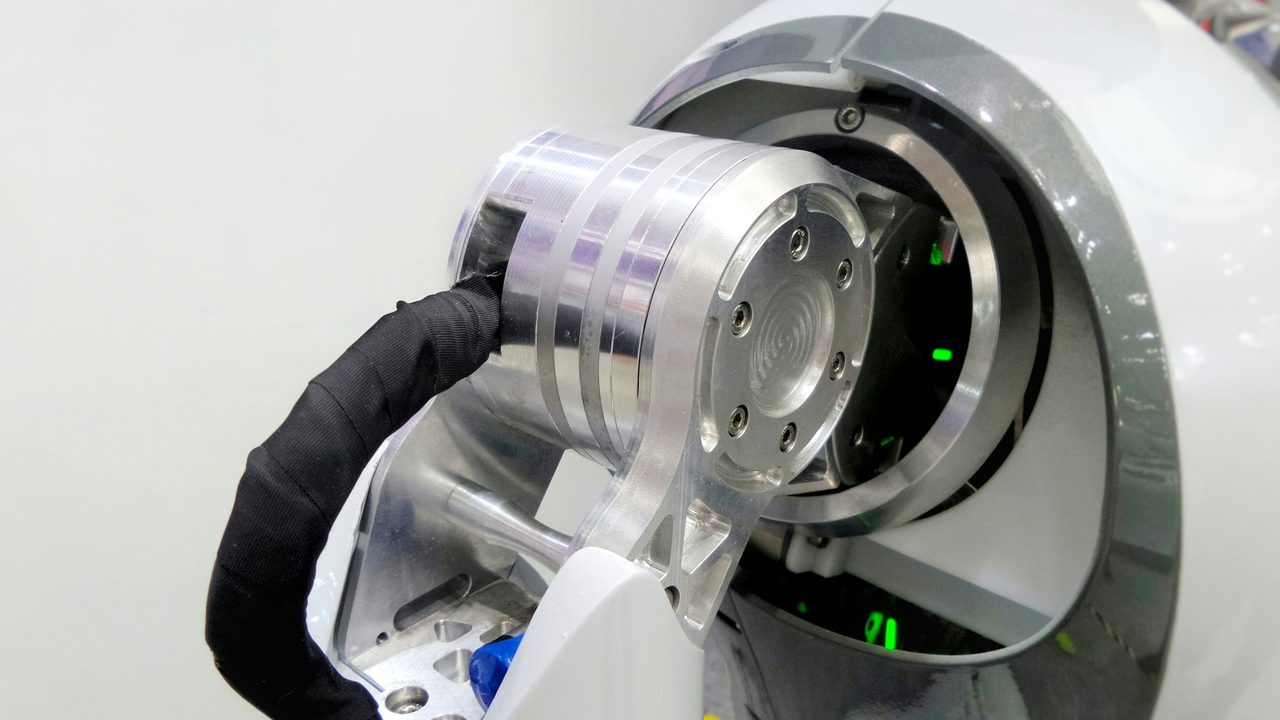
Photo: Franck V. / Unsplash
Many medical devices start as machined metal or plastic parts: surgical instrument bodies, orthopedic components, housings, connectors, fixtures, and parts inside diagnostic equipment. Mexico has thousands of CNC shops, and a smaller number that are set up for medical work. The difference is not the machine. It is the quality system, the records, and the finishing around it.
This guide is for engineers and sourcing teams buying machined components for a medical device. It is a sourcing overview, not regulatory advice.
Component supplier or device manufacturer?
A CNC shop that makes a component for your device is usually a component supplier. It supplies parts to you or to your contract manufacturer. A company that assembles, tests, labels, and ships the finished device is a finished-device manufacturer, and the FDA's registration and quality-system rules apply to it more directly. Which one you are buying from decides what to ask for. A component supplier should still hold up under your supplier controls: you remain responsible for what goes into your device.
For general contract manufacturing, see how to make medical devices in Mexico.
Who is in the directory
As of October 2026, 231 manufacturers appear in both the CNC machining and medical device categories. For 51 of them, both come from the company's own documentation rather than an industry code; of those, 13 are in Nuevo León, 12 in Baja California, 7 in Jalisco, and 4 in Chihuahua. Only five also state ISO 13485 on their websites. The counts change as research continues.
Live from our index · CNC machining, Mexico
All 3,838 →- Metalmod Mexico
Lerma, México · 251+ employees
✓ CNC machining
- Mecanomatic
Iztapalapa, Ciudad de México · 251+ employees
✓ CNC machining
- Taller de Hule y Maquinaria de Durango
Durango, Durango · 251+ employees
✓ CNC machining✓ ISO 9001
- Manufacturas Pueblo Viejo Industrial
Tonalá, Jalisco · 251+ employees
✓ CNC machining
Browse CNC machining companies and the medical device directory, then check the ISO 13485 directory for companies that state the certification. Those are claims from the companies' websites, so verify the certificate.
Materials
Medical parts are specified by material standard, not just material family. Common ones:
| Material | Typical use | Standard often cited |
|---|---|---|
| 316L stainless steel | Instruments, housings, surgical components | ASTM F138 for implant-grade |
| Titanium (Ti-6Al-4V) | Implants, orthopedic parts, instruments | ASTM F136 for implant-grade |
| PEEK and other engineering plastics | Spinal and trauma components, lightweight parts | ASTM F2026 for implant-grade PEEK |
| Aluminum | Equipment housings, fixtures, non-patient-contact parts | Alloy specification on the drawing |
Check the standards that apply to your part with your regulatory advisor. If a part contacts the body, biocompatibility testing under the ISO 10993 series is a separate question from machining, but your supplier needs to know that nothing about the material or process changes without your approval.
Ask for material certificates with each lot, and for the supplier's material supplier controls. If you specify an implant-grade material, the certificate for that heat or lot is part of your record.
Finishing and cleaning
Medical parts are rarely done when they leave the machine:
- Deburring and edge breaking, often by hand, with inspection under magnification.
- Passivation of stainless steel, commonly to ASTM A967, to remove free iron left by tooling and restore corrosion resistance.
- Anodizing, electropolishing, or other surface treatments, depending on the part.
- Cleaning, with defined methods and cleanliness checks, and sometimes cleanroom packaging.
- Laser marking, for part numbers, lot numbers, or unique device identification.
Many shops outsource some of these. Ask which finishing is done in-house and which is subcontracted, and whether the subcontractors are controlled suppliers with their own quality records. See metal finishing companies.
Quality system: ISO 13485 or ISO 9001?
Many Mexican machine shops hold ISO 9001, which is a general quality standard. A shop with ISO 9001 can make excellent parts, but ISO 9001 doesn't cover medical-specific controls such as risk management and design controls. For a part going into a medical device, ISO 13485 is the stronger signal, although the FDA doesn't require your suppliers to hold it. Some device makers qualify component suppliers through their own supplier audit instead.
Whichever it is, ask for:
- Traceability from the raw material lot through every operation to the shipped part.
- First article inspection on a new part, against your drawing, with a report.
- Controlled change management. The shop should not change tooling, programs, materials, or subcontractors without telling you.
- Calibration records for gauges and measuring equipment, and a coordinate measuring machine (CMM) if your tolerances need it.
- Process validation or statistical control for critical features, as your part requires.
- Nonconformance handling: what happens when a part is out of spec, and who decides.
What to put in the RFQ
A medical machining RFQ is mostly about documentation. Include:
- Drawings with revision, tolerances, surface finish, and critical-to-quality features marked.
- Material specification (standard and grade), and whether certificates are required.
- Finishing and cleaning requirements, and any packaging or labeling.
- Inspection requirements: first article, sampling, 100% inspection on certain features.
- Quality requirements: ISO 13485 or your own supplier audit, traceability, and record retention.
- Volumes: prototype quantities, first-year volume, and long-term forecast.
- Your device's context, without sharing more confidential design than needed: is the part patient-contacting, implantable, or inside equipment?
Send the same package to every shop so the quotes compare. How to send an RFQ covers the process and includes a template.
Cost and lead time
Medical machining costs more than commercial machining because of material certification, inspection, finishing, and documentation. Titanium and some plastics are harder on tooling and slower to machine. Ask for the quote broken down: setup and programming, per-part machining, finishing, inspection, and material. Expect first articles to take longer than repeat orders. Costs, MOQs, and hidden fees in Mexico covers the general cost structure.
Next steps
Shortlist shops that already work on medical parts, confirm what they actually hold and what is only claimed, and start with a first-article order before committing production volume.
Find CNC machining companies for medical devices in Mexico
Free, no account. You'll see named manufacturers and why each one matched.
Get quotes from qualified medical machining shops
We find and qualify Mexican CNC shops for your medical component, contact them in Spanish, and bring back quotes you can compare line by line.
More from the blog