Industry-specific guides · · 9 min read
How to start a clothing brand in 2026 with Mexican manufacturers
A step-by-step guide for first-time founders: what to have before you contact a factory, cut-and-sew vs. full-package, minimums, samples, where Mexico's apparel hubs are, and how to import the order.
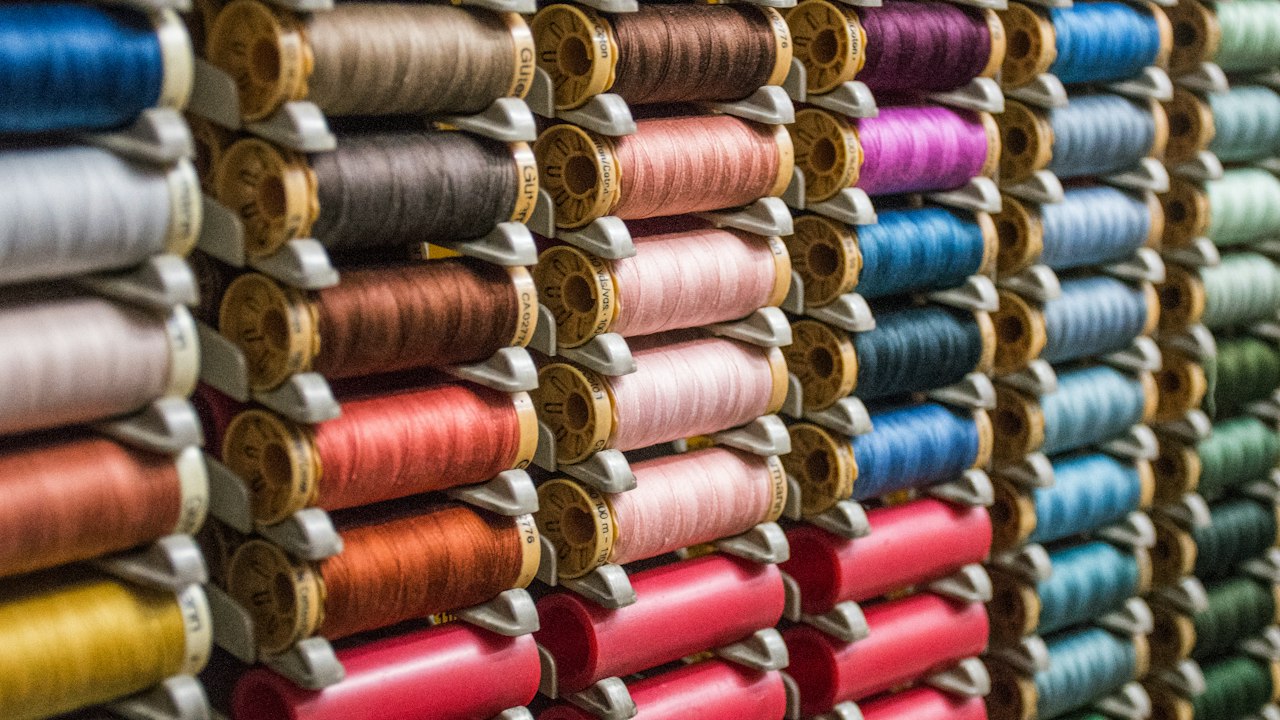
Photo: Héctor J. Rivas / Unsplash
Starting a clothing brand used to mean ordering from a factory across the Pacific, waiting two months, and hoping the sizing worked. Producing in Mexico changes the economics for a small brand: shipping to the U.S. takes days rather than weeks, factories are in your time zone, and you can drive to one if something goes wrong. It isn't the cheapest place to sew a T-shirt, and this guide says where it isn't the right fit.
It's written for a founder with a design in mind (or a few sketches) and no factory yet.
What to have before you contact a factory
Factories answer specific requests quickly and vague ones slowly or not at all. Before you write to anyone, put together:
- A tech pack for each style: flat sketches front and back, measurements for each size with tolerances, fabric and trim callouts, stitching and construction notes, and labeling. A designer can make one, and templates are easy to find. A tech pack is the single biggest thing that separates a brand a factory takes seriously from one it doesn't.
- A fabric decision. Know the fiber, weight, and finish you want, even if the answer is "something like this sample." Fabric is usually the largest cost in the garment.
- A quantity per style and per size, and a realistic first order. Say honestly if it's a test run.
- A target price and a target date. They let a factory tell you early whether it's a fit.
Pick the right kind of factory
Apparel factories in Mexico work in a few distinct ways, and most disappointments come from asking the wrong kind for the wrong thing.
| Type | What it does | Fits you when |
|---|---|---|
| Cut-and-sew (maquila) shop | Sews garments from fabric and patterns you provide or approve | You've sourced your own fabric and have a finished pattern |
| Full-package | Handles pattern, fabric sourcing, sampling, sewing, trims, and packing | You have a design but want one company to run the whole process |
| Knitwear and sweater mills | Knit garments, often shaped on the machine | Sweaters, sportswear, and other knits |
| Denim specialists | Cut, sew, wash, and finish jeans | Denim lines, where washes and finishing matter |
| Screen printing and embroidery | Decorate blanks or finished pieces | Graphic tees, merch, and logos on garments from another shop |
Full-package costs more per piece, but for a first collection it removes the most ways to go wrong. Cut-and-sew gives you control and a lower price if you can source fabric and manage pattern work yourself.
Where Mexico's apparel is made
Apparel isn't concentrated in one place:
- Puebla and Tlaxcala, especially around Tehuacán, are known for denim and jeans.
- Coahuila's La Laguna region (around Torreón) is another large denim and garment center.
- Guanajuato, including the Moroleón–Uriangato area, is a major knitwear and sweater cluster.
- Aguascalientes has long had garment plants.
- Yucatán has a sizeable cut-and-sew sector.
- Mexico City and the State of Mexico have many small workshops, useful for short runs and sampling.
Our regions guide covers the wider picture, and the apparel directory lists companies you can filter by state and city.
Live from our index · Apparel and textiles, Mexico
All 4,931 →- Adventum Vita
Puebla, Puebla · 251+ employees
✓ Weaving
- Lesato
Tizayuca, Hidalgo · 251+ employees
✓ Cut and sew
- Zagis
Tepeji del Río de Ocampo, Hidalgo · 251+ employees
✓ Knitting
- Zentrix
Atizapán de Zaragoza, México · 251+ employees
✓ Knitting~ Weaving
Minimums, samples, and what to expect
Minimums vary enormously. Large factories built for retail programs may want thousands of pieces per style. Smaller workshops and full-package studios often take a few dozen to a few hundred pieces per style, at a higher unit price. Ask every factory for its minimum per style, per color, and per order, and whether it changes with the fabric. If a factory's minimum is too high, that's not an insult; it's a signal to look at smaller ones.
Plan for samples. A typical path is a first sample to check fit and construction, corrections, then a second sample, and finally a pre-production sample that you approve before the run starts. Each round takes time and costs money, and skipping rounds is how brands end up with 300 shirts that fit wrong. Ask what a sample costs and whether it's credited against the order.
Expect to pay for fabric up front. Most factories ask for a deposit (commonly a large share) to buy materials, and the balance before or on shipping. Terms vary, so get them in writing, and don't send a deposit until you've verified the company. Our guide to verifying a manufacturer walks through it.
Fabric and trims
Fabric sourcing is the part that surprises new founders. Mexico has fabric mills, but the range for a given fiber and weight can be narrower than the huge catalogs of Asian mills, and a small brand often can't meet a mill's minimum. Realistic options are:
- let a full-package factory source from the mills and converters it already buys from,
- buy in-stock fabric from a local converter or wholesaler, usually at a higher price per meter but with no minimum, or
- import fabric yourself, which can complicate the rules of origin described below.
Buttons, zippers, labels, and packaging are easier to find locally but add lead time if they're custom.
Importing the order
Mexico is part of the USMCA, the trade agreement with the U.S. and Canada. For apparel, preferential (low or zero) duty depends on rules of origin, which generally look at where the yarn and fabric were made, not only where the garment was sewn. A shirt sewn in Mexico from fabric made elsewhere may not qualify for the preferential rate. Ask the factory how it documents origin, and confirm the duty with a customs broker before you commit to a price. Tariff policy has been changing, so check it against current rules, not an article from last year. For the mechanics, read how to import goods from Mexico and how to find a customs broker.
You'll also need to label garments as U.S. law requires: fiber content, country of origin, the manufacturer's or importer's identification, and care instructions. Children's clothing has additional safety requirements.
When Mexico isn't the right choice
- Price is the whole strategy. For a basic, high-volume item where every cent counts, Asian factories still often win on unit cost.
- You need a specific fabric or technical finish that isn't made nearby.
- You can't meet any factory's minimum. In that case, start with print-on-demand or a local cut-and-sew studio near you and come back when volumes grow.
Where Mexico tends to win: faster restocks, lower inventory risk, small-to-medium runs, quality you can inspect in person, and a "made in Mexico" story that fits many brands.
A first-collection checklist
- Finish tech packs for a small collection (a handful of styles, not twenty).
- Decide cut-and-sew or full-package.
- Shortlist five to ten factories and send each the same RFQ.
- Compare the quotes on total landed cost, not unit price.
- Verify your top two, order samples from both, and visit if you can.
- Approve a pre-production sample in writing, place the order, and inspect before the balance is paid.
Find apparel manufacturers in Mexico
Free, no account. You'll see named manufacturers and why each one matched.
Get quotes for your first collection
We find and qualify Mexican apparel manufacturers for your styles, contact them in Spanish, and bring back quotes you can compare line by line.
More from the blog